A few months ago, I found out that the Garmin Incident Detection on my watch does indeed work. I fell down a ridge while trail running with my dog, so the alert was indeed warranted. But because I didn’t have my phone, mere detection of the incident did no good. I had no way to inform anyone else about it.
Sure, when my watch acknowledged I’d slid into a ditch, I felt validated. Unfortunately, that didn’t change the fact that I was bloodied, bruised, and wrought with panic.


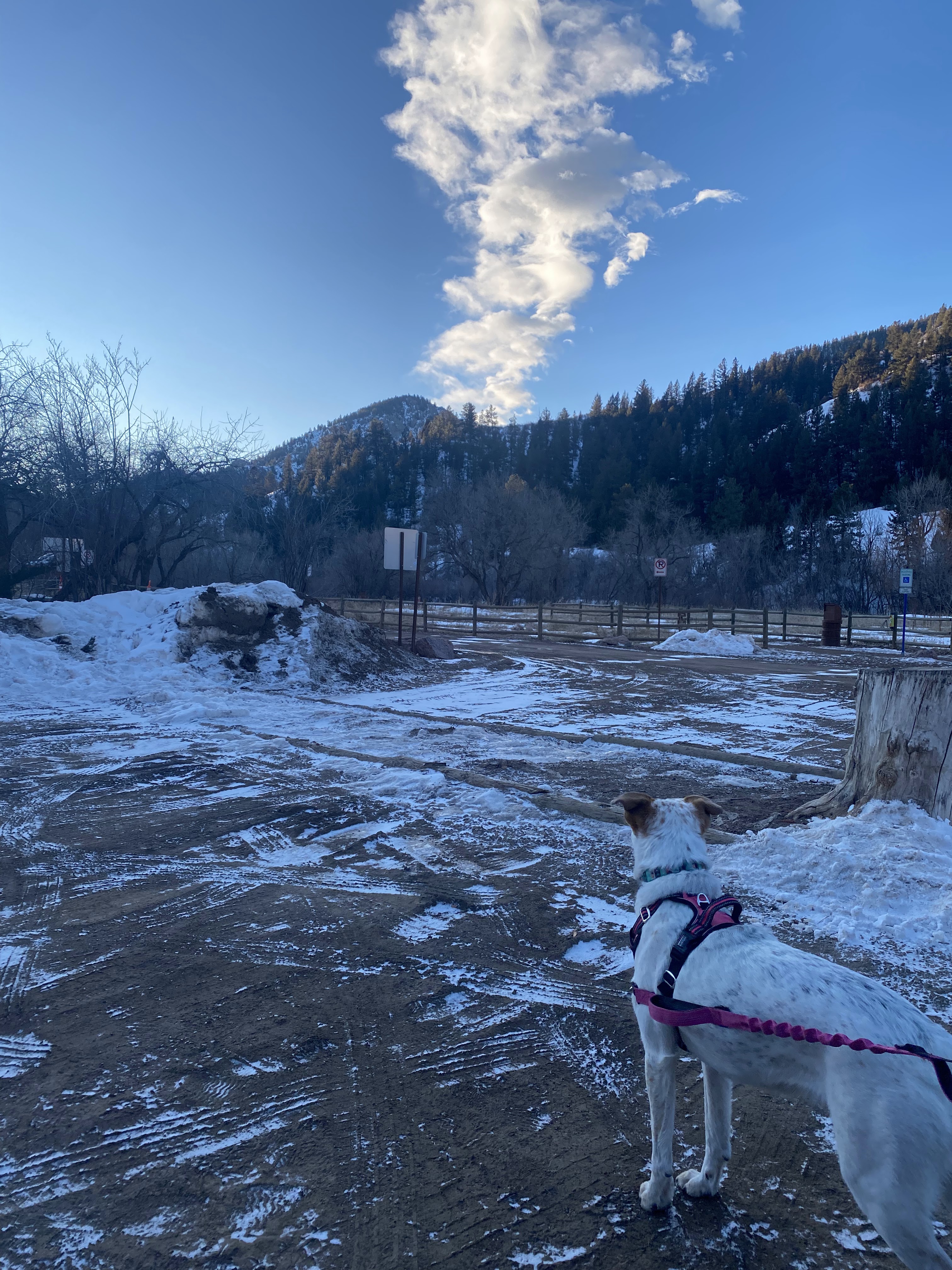
As I stood up and checked my limbs, my sympathetic nervous system kicked into gear. My blood pressure dropped and I was instantly nauseous. I nearly blacked out—saved by the quick choice to lay down, eat snow, and refuse to close my eyes despite strong drowsiness. I was in the middle of the woods, at least three miles from another runner or hiker. So, yeah, it wasn’t ideal.
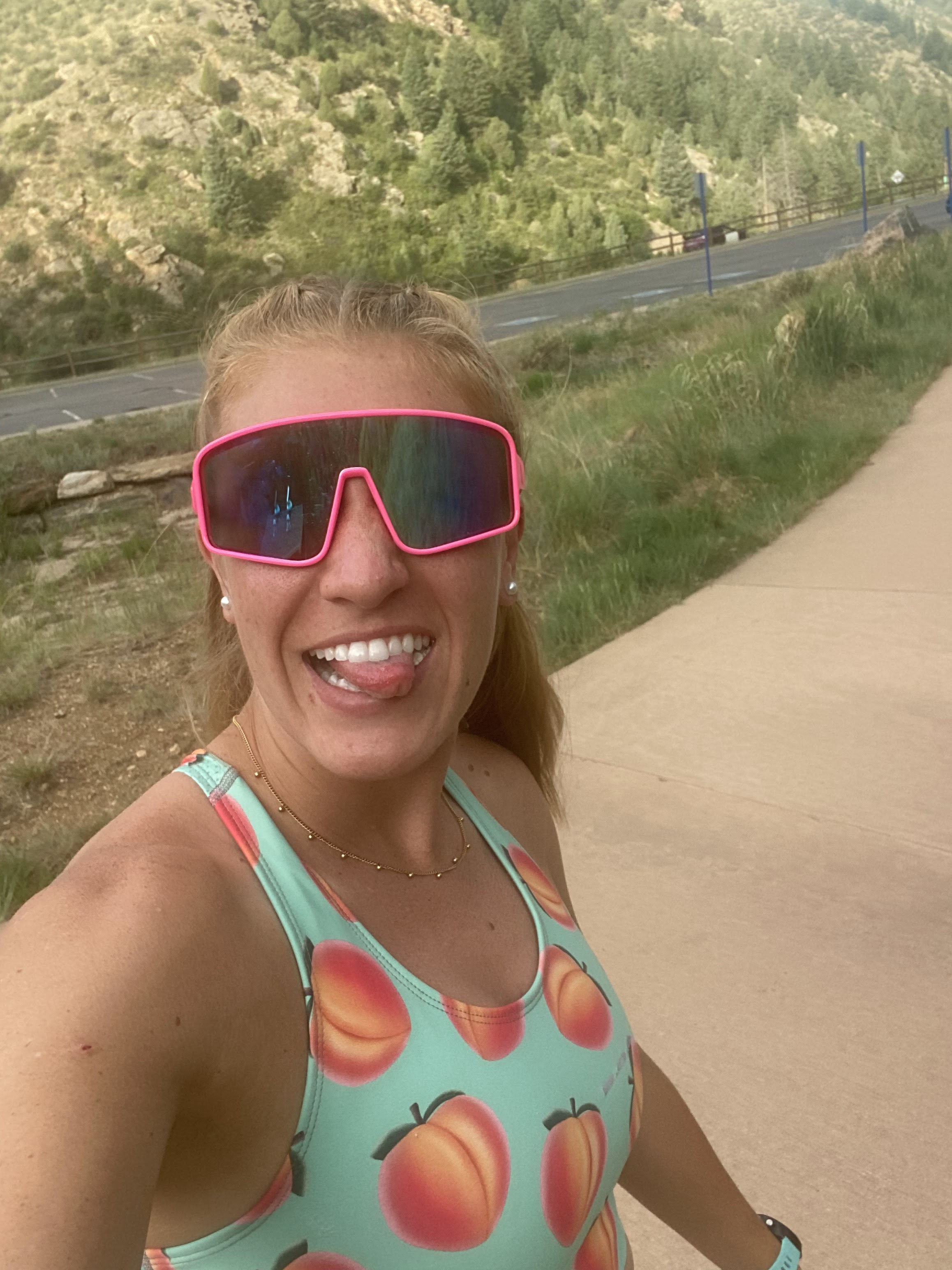
In any case, I want to share how I’ve altered my approach to safety and trail running since my little tumble. Whether you’re nervous about predators or injuries, there are lots of ways you can protect yourself on your next outdoor adventure. Allow me to be your cautionary tale (see photo evidence above).
1. Download the Trail Map
If you are running somewhere remote and/or new, please download a trail map via AllTrails (for those in Colorado, I recommend CoTrex as well). This gives peace of mind, as well as guidance in case you do get lost.
Apple Maps has a new feature where users can download regional maps for offline use. This is a great tool/backup as well!

2. Pack extra snacks/fuel
Only running or hiking for a few miles? Great. I’m guessing most people in survival situations thought that, as well. We never expect to run out of fuel, which is why carrying extra is a vital precaution. I always carry 2 extra protein bars and an extra gel. I’ve had to utilize these before, and I’ve also been in situations where I come across someone else who needs the food. It’s worth a few extra ounces in your hydration vest or pockets.
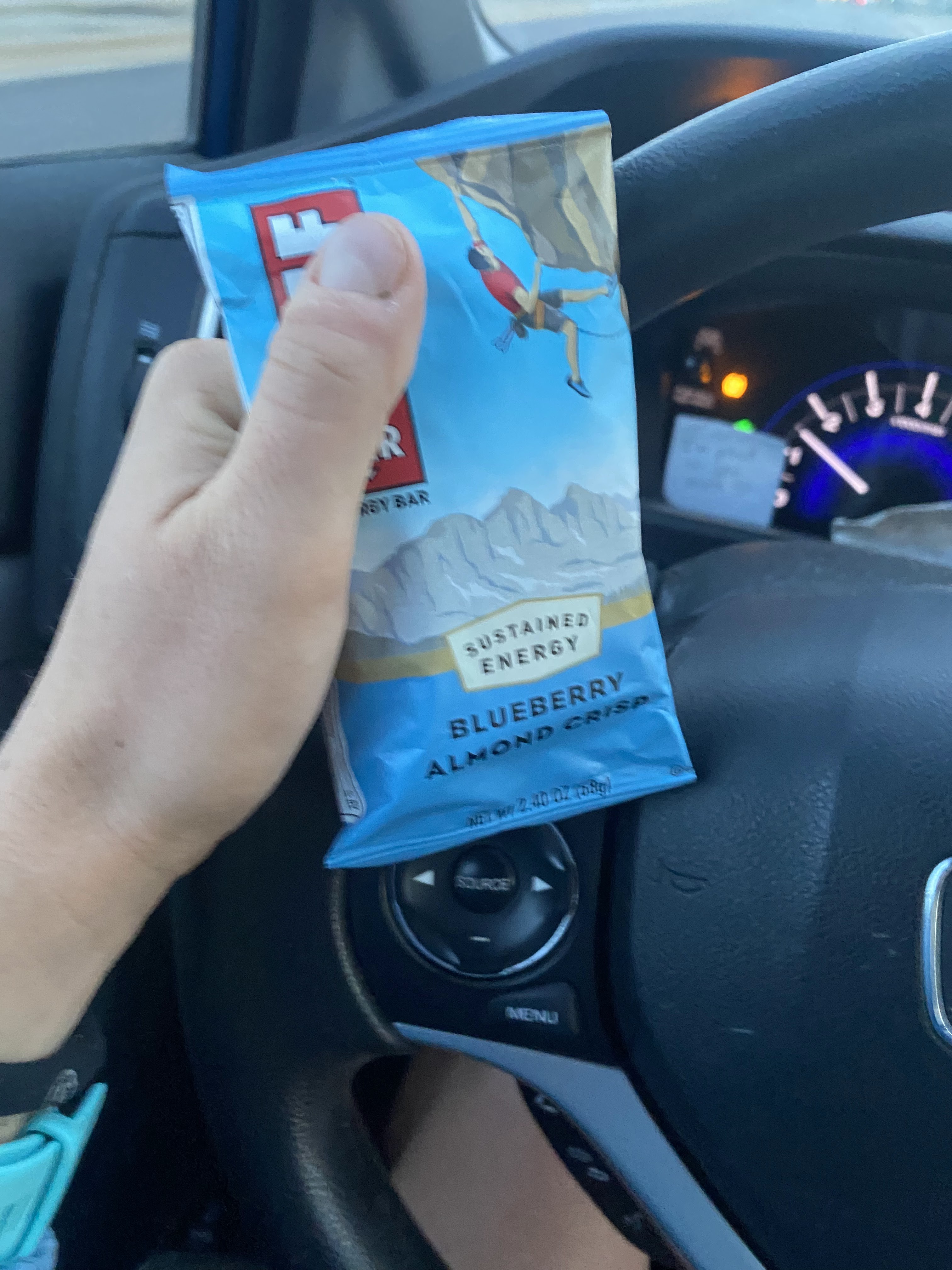
A few handy trail snacks: Clif bars, nut packs, meal bars, and dried fruit. Dense and shelf stable is the way to go!
3. Take a picture as you start
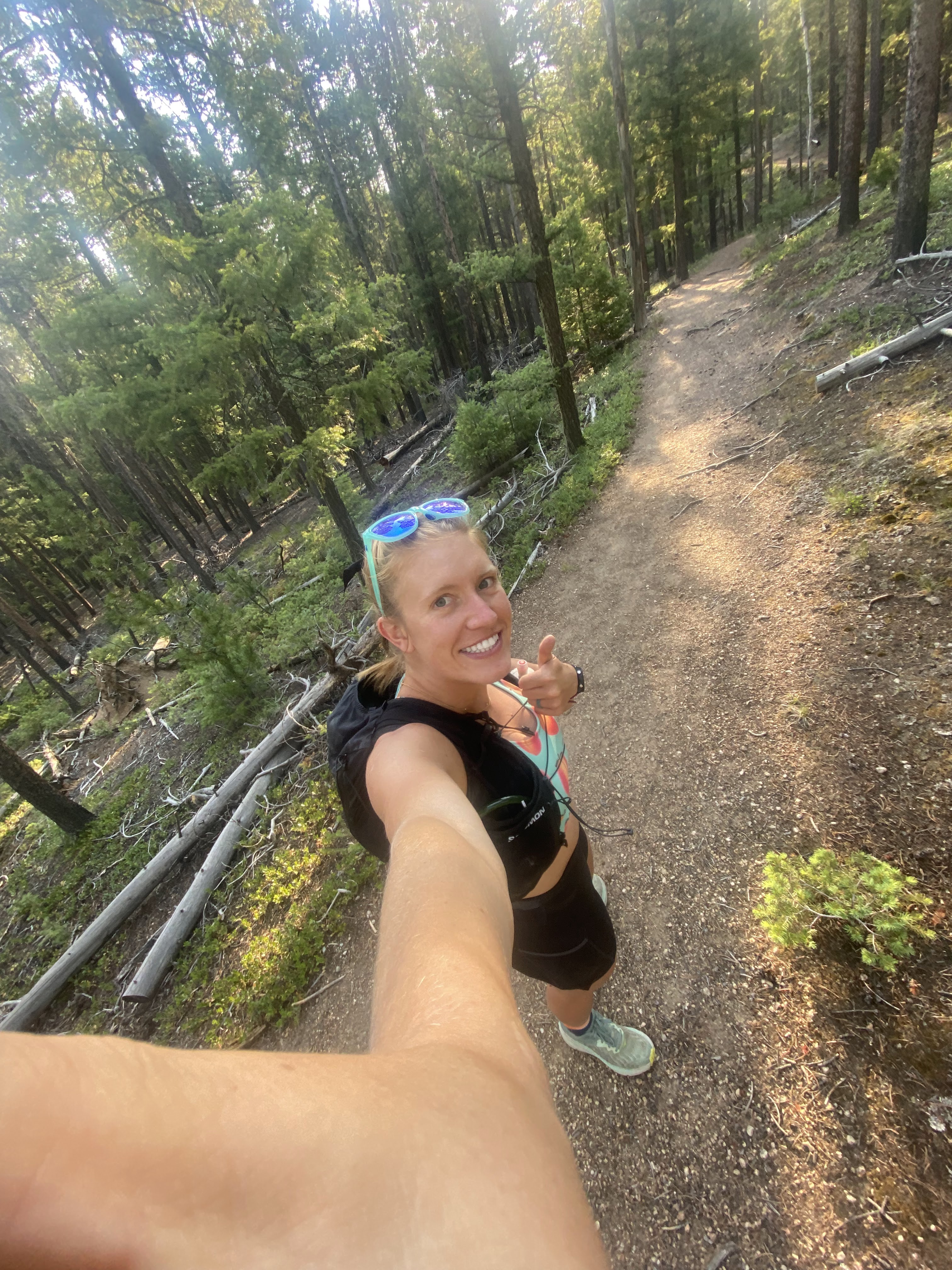
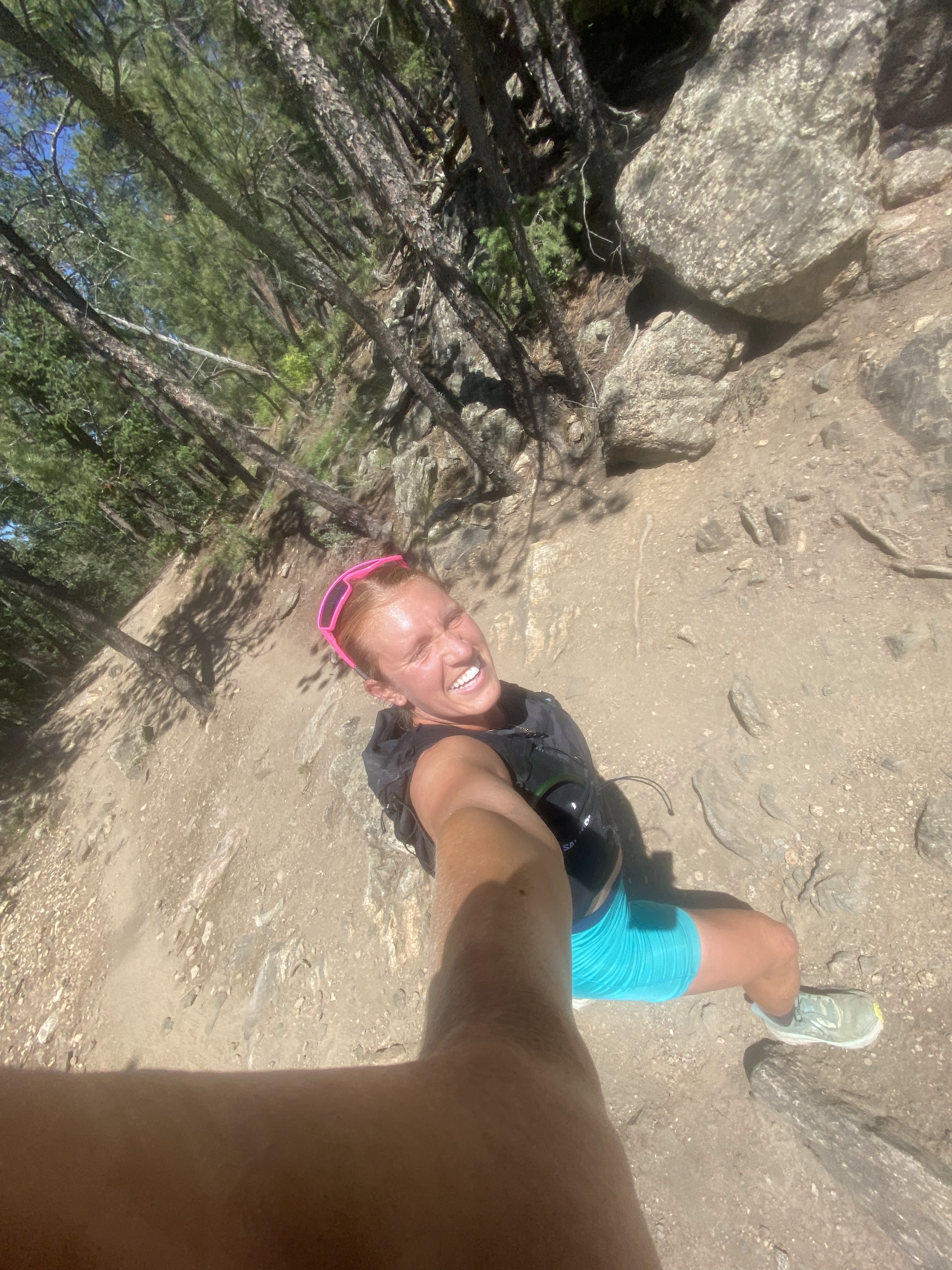
I have an uncanny narrative (no pun intended) that my life is a dramatic movie. In said movie, I face many challenges. So I’m always planning to be successful in the next climactic moment. As odd as that is, it’s helped me plan for my potential demise… it’s given me quirky but effective ideas, in other words. For instance: always take a photo before you start out on a trail. This does two things: (1) it gives you a GPS location of where you started and (2) it records timestamped evidence of where you last were. If your phone is found and you are not, that can be a huge help. Again, let’s hope the photo is just a fun keepsake; if an emergency occurs, though, it can be much more.
Below is a goofy compilation of my pre-run photos (I will say, last week’s came in handy as my AllTrails app wasn’t locating me correctly, so I used the GPS coordinates of the photo’s location to know which direction my car was in!).


4. Bring a safety device (Ex. Nathan alert)
I don’t like to tell people which gifts I want, but I have gotten good at “hinting” ideas to my husband. So, I feigned surprise and displayed authentic joy when he got me a Nathan SaferRun Ripcord Alert last winter. I clip it onto my shorts when I run. If needed, the device can emit a sound as loud as an ambulance. I haven’t needed it yet, and I hope I never will. But if I fall on a trail, encounter wildlife, or feel uncomfortable with any person around me; I can pull that ripcord. For $20, I highly recommend it (I found the reviews to favor Nathan’s device over others, like Birdie, but choose what’s best for you!)
I’ve also found it helpful to have a whistle with me. Many hydration packs have whistles built in. There’s a reason for that: a whistle is a failproof, efficient, nearly indestructible way of alerting others of a problem and/or scaring a predator. It may not save your life, but it could be the difference maker in an emergency. I suggest you have one of these on hand and practice quickly accessing it so you know what to do if it’s ever needed.
5. Tell Someone Where You’re Going
This is perhaps the most important tip I have to offer. See, many things can go wrong, but if someone knows where you are and when you were supposed to return, disaster can be averted. If you take off into the wild without telling anyone where you’ve gone, the consequences are higher stakes.
It doesn’t have to be a drawn out conversation about your location. Let me share a few ways I establish my whereabouts when on long, backcountry runs:
- Text my husband the trail map when I’m starting, and text him when I’m on the way home
- Use AllTrails to share my location live (I only do this if I feel more nervous, as it does use up phone battery)
- Remind loved ones that you have Find My iPhone (if you do, that is!)
- Share your location via Google Maps (will share it for any amount of time you choose, which is handy. It also doesn’t use much battery on your phone and it works in airplane mode)
It’s worth noting that telling someone where you’re going is not the same as telling everyone where you are going. This isn’t the time to post your remote location on the world wide web for anyone to come find you. Be smart. 🙂 \
6. Carry plenty of hydration
What type of climate are you in? Will there be water on the trail? How hot is it? How humid? Are you alone or do you have a dog? All these factor are important considerations as you pack up and head out to a trail. Quite simply, though, you need water. Lots of water. If it’s summer, that is even more crucial. If I’m doing a long run, I use a 1.5 liter hydration bladder, two 12 ounce flasks with an electrolyte drink like LMNT or liquid fuel, and a collapsible filtered flask. The latter is a new addition, because I had been running out of water on long summer runs. Now, I carry that flask and can scoop up any river water and filter it in a matter of seconds (a two-pack is currently $45, but it was only $20 on Prime Day so hopefully you’ll find a sale). Moral of the story: take hydration seriously. Always.

Conclusion
I’ve been thinking a lot lately about my priorities in life… what matters most to me and what appears to matter most from the outside looking in. To be candid: Nature and outdoor adventure have very high on the totem pole, and that’s not what I want. That may surprise you, but it’s important to me to treasure what matters. I’ve realize that, at the end of the day, nature doesn’t reflect God’s beauty in the same way people do. I want to love and value the people he has given me, which is highly rewarding and (in my opinion) harder!
I’ve asked myself: What matters the most to me and what APPEARS to matter most from the outside looking in?
The good news is that I serve a marvelous God who gives us both! As I’ve re-evaluated my heart attitude toward various pieces of my identity, I’ve deepened my roots in who God made me to be. I’m also finding increased joy in my love of outdoor adventure. I also know that protecting myself and the environment are valuable gifts I can give to the people I love. So, not to guilt trip you or anything (truly! haha), but if you don’t want to follow my advice, at least do it for your parents, siblings, spouse, and friends who crave your safety.
Arise and live (one of my mantras lately), friends. And please: do so safely!
Love,
Han
Ps. I’ve had writers block and insane busyness lately, but this post flowed from my head seamlessly, so I’m gonna make more of an effort to give myself the outlet of blogging more!
Ps 2. I have no affiliation or financial stake in the advice I recommend above. Take it or leave it, but please know that I’m only sharing what works for me because it works for me. No one’s paying me to say anything. 🙂
 A Grateful Life Lived
Leave a comment