If healing has no expiration date, then why has the process begun to taste sour? Why have tasks on my to-do list become rancid in hopes that I’ll finally get to them (but knowing I likely won’t)?
I have no “magic” answers, just words. . . perhaps, as they come into form, hope will as well.
Hi Again!
If it seems like I’ve fallen off the face of the planet (as a writer and/or as a friend), well, cool. It feels like that to me as well. The above anecdote has a lot to do with it.
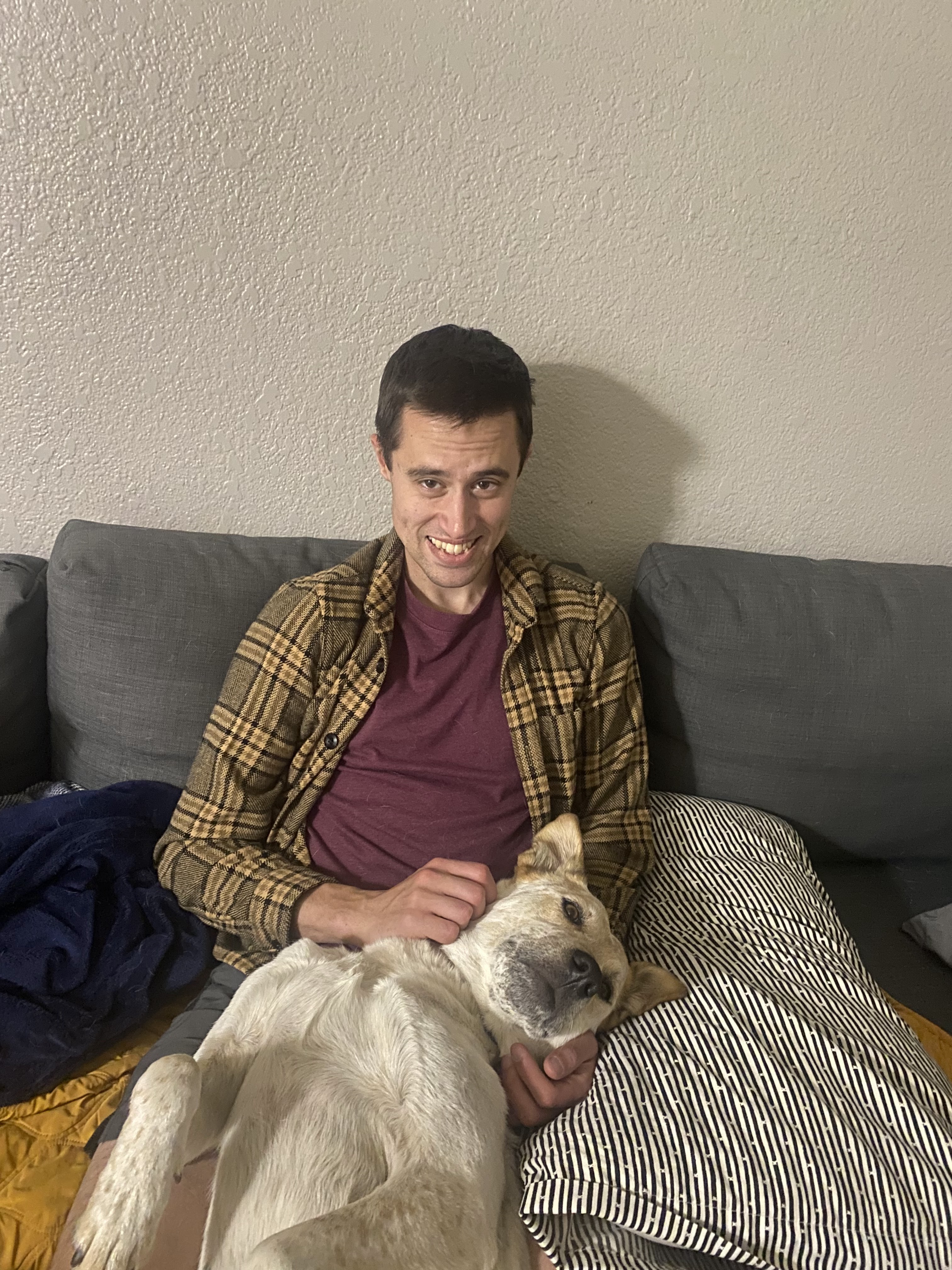
I’m woefully behind, and with 80 unread texts, 5 people to call, 6 letters to write, and a dog to bathe; I don’t know when I’ll catch up.
In the past few years, I’ve learned that the world doesn’t pause for you to heal—not even a smidge. However, it is kind enough to send a “Get Well Soon” card and inject some motivational juju into your healing bubble. That allows for the process to seem glamorous for a bit. In this illusion, life is a tapestry of positive quotes, scented lotion, and craft time; someone always asks how things make you feel and naps are highly encouraged. After a lifetime of being “the tough one,” that sensitivity can be unnerving. But then, it becomes like water. . .and you are parched beyond understanding.
I can only speak for myself when I say that the yearning for compassionate support wildly outweighs any other longing I’ve had. I would guess others agree, though, because there have been entire sectors of psychology devoted to this inner child healing.
My point is this: care feels good, but it doesn’t last in the way that it first presents. Over time, the whole “healing journey” thing becomes less enjoyable. The wins are more spaced out, the hard memories are more vivid, and the pressure of the world sneaks back in.
It’s not as if you let it happen; how can you possibly notice when you are attempting to keep a human alive without maladaptive coping mechanisms or isolation? Sure, that human is you, but the point still stands. You need to figure out how to juggle everything like you did before (only, not like you did before because decades of repressing emotions clearly didn’t work).
A New Normal
Okay, jokes aside: I think the healing process has further unmasked my witty side, but this humor is also one of the best ways I know to convey tough stuff. As much as I love words, I struggle to formulate the right way to describe the beautiful, messy, carnival that is currently my life.
If perfection isn’t conducive to healing, however, maybe that chronic hodgepodge reality is not a bad thing, despite how it feels.
In the midst of setting boundaries and attempting to prioritize recovery, I find myself questioning if anything will truly get better—the more time goes on, the less people seem to care and the more I seem to fall behind in life. Sure, I tell myself, “I’m glad I’m alive, no matter what speed I’m moving.” But that doesn’t numb the pain or fear that crop up at a simple memory or thought.
Hope Beyond What We Can See
I’m not sharing these words to elicit pity or gain attention. I’ve waited months to write this article because I didn’t want to write from that headspace. Rather, my goal is to share how I’m processing moving through the valley—trusting I’m not the only one who is there.
See, I know that where I’m touching the softness of my humanity, others are as well. I know that we all can feel forgotten; we all can wonder if we’re behind in life; we all can get stuck in the cogs of our own brains.



The question then, is why do we still feel so alone? And what do we do?
I’ve found it hard to dig into Scripture lately. If I’m honest, the struggle to abandon former legalistic disciplines is tangled with a desire to cultivate my relationship with God. At the same time, though, I’ve felt grace in the wrestling, and I’ve found comfort in a key passage I want to share:
But you are a chosen race, a royal priesthood, a holy nation, a people for his own possession, that you may proclaim the excellencies of him who called you out of darkness into his marvelous light. Once you were not a people, but now you are God’s people; once you had not received mercy, but now you have received mercy.
1 Peter 2:9-10
To someone who feels STUCK, these words are a comforting call toward the light that isn’t just a maybe, it is a calling from the Lord (one that He enables us to obey). It gives me a pause to think, “Perhaps I am indeed created to be in marvelous light. Perhaps I’m going to taste that illumination again.”
“We all can feel forgotten; we all can wonder if we’re behind in life; we all can get stuck in the cogs of our own brains.”
The passage goes on to share two good reasons that those who trust in Christ can have hope:
- We are God’s people
- We have received mercy
While I had read those words before, they struck me differently last week. For the first time, I sat in the “were not” and “had not” and felt so deeply understood. They’re phrases that perfectly describe the yuck that can fill our hearts during challenging seasons.
It’s something I have contemplated a lot, largely because secular psychology and conservative Christianity approach it from opposite corners.
As someone who tends toward legalism, I grew up with a firm doubt in my emotions (“follow your heart” was a bogus term, I knew). I also learned to bury my emotions when they weren’t desirable (to myself or others). Lo and behold, imagine my shock when I began my healing journey and was told that all my feelings are “good” and truth is relative to what my heart tells me.

Where Feelings Fit in Your Healing Journey
I knew that didn’t mesh with what I knew to be true, but it took me a while to work through it—almost as long as it took me to realize that lament is a wholly valuable aspect of the Christian faith that we ignore. While the practice of lamenting is more apparent in other parts of the Bible, I noticed last week that it’s referenced in 1 Peter, however subtly. What the Apostle acknowledged is the was that exists—causing us to doubt, fear, and turn away from truth. Feelings are God-given, and I believe they are incredibly helpful in expressing ourselves, understanding ourselves, and relating to the world around us. But they can’t be blindly followed; we must check them with truth.
I may not feel like I have mercy, but I do. I may not feel like I am treasured by God, but I am.
A Rooted 2024, and Beyond
This is how we are rooted—amid distress, pain, abandonment, and joy. Compared to God’s perfect standards, everything else gets perfect Fs—family, friends, feelings, and finances (just to name a few) will sway. I can’t stand on that, and I don’t think you can either.
Maybe you don’t feel very royal or chosen. That’s valid. That’s hard. We as Christians ought to recognize that rather than skipping to the platitudes. At the same time, we don’t have to get stuck in the muck. It’s tempting, I know. It feels comfortable. But truth is the upward gaze that is worth the challenge.
I may not feel like I have mercy, but I do. I may not feel like I am treasured by God, but I am.
Part of me feels like this is complete gibberish (a valid feeling, indeed). And yet, it’s authentic. It’s me.
I hope you know that you are cared for, loved, and remembered. If not personally by me, certainly by the Lord. I want to reassure you that you aren’t the only one who is wading upstream; who is tired.
Keep trying. Keep going. Keep trusting.
Love,
Han

 A Grateful Life Lived
Leave a reply to wrestlingwordblog Cancel reply